
Have you ever had a client go quiet then churn, despite work being delivered on time?
Good delivery can still fall short when client communication is unclear, inconsistent, or leaves important context open to interpretation.
Here’s what effective client communication looks like and how to put it into practice.
- Client communication is any communication between a business and its clients throughout the working relationship.
- For effective client communication, you need to set expectations from the start, be transparent, and communicate changes or setbacks as soon as possible.
- Practice active listening by acknowledging client concerns, asking clarifying questions, and understanding their preferences and expectations.
- Reply to client messages promptly and give realistic time frames for full answers when something can’t be resolved immediately.
- Adapt your communication to the client’s preferences and the situation by using text messages, voice or video calls, or other channels that fit the conversation.
- Document decisions, approvals, and feedback, so they’re easy to find and reference when needed.
What is client communication?
Client communication is any communication between a business and its clients.
It includes everything from project updates and client feedback, to approvals, brainstorming sessions, and conversations about deadlines or deliverables.
The goal of good collaborative communication with clients is to keep them informed, aligned, and confident throughout the process of working together.
Why client communication breaks down
Clients can leave because of perceived neglect, not just poor delivery. You might be doing good work, but if you aren’t communicating regularly and effectively, clients can feel left out of the process and lose confidence in the relationship.
This is often the result of 5 predictable failure modes:
- Scattered channels. When communication lives across multiple tools instead of one centralized platform, messages get missed and important information gets buried in overflowing inboxes.
- Undefined response expectations. If clear expectations about when and how you will communicate aren’t set at the beginning of a project, clients may feel like you’re not responding or updating them quickly enough.
- Silent progress. Not sharing updates regularly can leave clients in the dark about project progress, unsure if the work is moving forward.
- Unlogged approvals. If important approvals aren’t documented and shared, decisions can be forgotten, and you’ll have nothing to refer back to if questions come up later.
- No escalation path. Not having clear ownership of the client relationship can make it difficult to know who to contact when an issue arises.
Let’s learn how these can be avoided.
The 5 elements of effective client communication
To improve your client communication strategy, consider these 5 key elements.
#1: Transparency
Transparency gives clients visibility into your work and makes it easier for them to respond and make decisions. Over time, consistent clear communication helps establish credibility and client trust.
It’s important to be transparent from the very beginning. Set expectations for the scope of the work, timelines, responsibilities, and how you’ll communicate.
To further assure clarity in your client communication:
- Lead with the information that matters most and avoid unnecessary jargon.
- Be specific and share details rather than reassuring clients with vague statements.
- Summarize key points from long meetings or conversations to reinforce understanding and agreement.
Problems and delays are likely to happen at some point. But, hiding them and having the clients find out for themselves will only make things worse. Instead, communicate changes and setbacks as soon as possible.
Here’s a practical example of what to say to a client when things go wrong:
“Hi [Client name], I just wanted to let you know about a change to the project. Unfortunately, we found that [describe a problem that needs to be solved] before we can move forward with the [project]. This means the first draft will be ready [number] days later than planned. I apologize for the delay. We’re reviewing the [part of the project that’s delayed] now and will get back to you tomorrow with the revised timeline.”
You should always state:
- What happened
- How it affects the project
- What you’re doing about it
- When they can expect the next update
#2: Active listening
Active listening in client communication means:
- Paying close attention to client feedback
- Acknowledging client concerns
- Understanding preferences and expectations
- Asking clarifying questions
It’s not enough to simply hear what the client is saying, you need to make sure you understand what they want.
Here are 3 examples of what you can do to practice active listening:
- Give the client your full attention during conversations and avoid interrupting.
- Summarize or rephrase key points to confirm you’ve understood them correctly.
- Acknowledge their concerns and perspective before moving on to a solution.
Over time, active listening can turn client communication from a transactional exchange into a more collaborative relationship, making you an indispensable advisor.
By understanding the client’s goals, preferences, and concerns, your team can anticipate issues and offer more useful solutions.
#3: Responsiveness
Timely responses show clients that you take their needs seriously. Conversely, a delayed response can create uncertainty and damage client relationships.
Set expectations with clients regarding:
- Your team’s working hours
- Time-zone differences
- Periods when responses may take longer
Communicate this upfront rather than leaving clients guessing. You should also set internal response standards and decide with your team how quickly they need to respond to clients’ queries based on urgency.
Not everything needs to be solved immediately, but you should always respond promptly. A simple acknowledgment and a realistic timeframe for a full answer can prevent unnecessary follow-ups. For example, instead of leaving a client message unanswered because you don’t have the information they need yet, you could say:
“Thanks for reaching out. I understand your concern. I’ll check with our development team and get back to you by the end of the day.”
To improve your response time, set aside specific times to check client messages instead of relying on catching them between other tasks.
💡 PUMBLE PRO TIP
An end-of-day review can help you catch unanswered client messages before they become missed follow-ups. Read our article to learn more about it:
#4: Adaptibility
Offering clients the flexibility to choose their preferred communication channels ensures they’re comfortable and can engage in the way that suits them best. Some may prefer detailed messages, while others are more comfortable with meetings, or asynchronous options such as voice and video messages.
The right communication channel also depends on what you’re communicating. For example, a brainstorming session may be more productive when done over a video call, while a weekly project update is often better as a written message that the client can refer back to later.
Being adaptable and tailoring your approach to both the client and the situation makes your communication more effective and helps create a more comfortable working relationship.
Explore flexible communication
#5: Documentation
When multiple people communicate with clients across different channels, important information can quickly get lost without proper documentation.
Decisions, approvals, feedback, and other important context shouldn’t exist only in someone’s memory or remain buried in an inbox.
Document important client communication and make it accessible and easy to find. For example, you can do that by:
- Sharing meeting notes or recordings
- Highlighting key decisions from longer discussions
- Keeping relevant information and files up to date
Having this kind of knowledge base gives your team a reliable reference when someone needs to check what was agreed. It also makes it easier to answer clients’ questions about previous decisions or requests.

💡 PUMBLE PRO TIP
Want to take your communication skills a step further, regardless of who you’re talking to? Read our article to learn how to become a more effective communicator:
Good vs. bad client communication examples
Let’s look at some common work situations and issues and how you should and shouldn’t communicate them to your clients.
| Situation | Bad client communication | Good client communication |
|---|---|---|
| Project delay | “We’re running a little behind.” | “The campaign will be ready on Thursday instead of Tuesday because the final assets need 2 additional days of production. The team is already working on them, and I’ll send you an update on Wednesday to confirm everything is on track.” |
| Scope change | “That’s going to take more time.” | “We can add the 3 extra designs you requested, but they weren’t included in the original project and will take 2 more weeks to complete. If you’d like us to add them, we’ll update the timeline and send you the changes for approval.” |
| Missed deadline | “Sorry for the delay.” | “We weren’t able to deliver the campaign assets by today’s deadline, and I’m sorry for the delay. We’ve identified the issue that caused the setback and will have the final assets ready by Friday. I’ll keep you updated if anything changes.” |
| Waiting for approval | “Just checking in.” | “We’re ready to move forward, but we’re still waiting for your approval for the campaign. Please send us your feedback or approval by Thursday so we can keep the project on schedule.” |
| Bad news | “Unfortunately, we won’t be able to meet the Monday launch date. We’re sorry for the inconvenience.” | “Unfortunately, we won’t be able to launch the campaign on Monday as planned. A technical issue with the landing page needs to be resolved before we can go live. We expect to have it fixed by Wednesday and can move the launch to Thursday. I’ll confirm the new launch time as soon as testing is complete.” |
| Ambiguous feedback | “Sure, we’ll make the design more engaging.” | “Thanks for the feedback. When you say you’d like the design to be more engaging, do you mean you’d like us to revise the visuals, the messaging, or both? Once we clarify this, we can make sure the next version matches what you have in mind.” |
FAQ
What is effective client communication?
Effective client communication keeps clients informed, aligned, and confident throughout the working relationship.
How can I improve my client communication skills?
To improve your client communication skills:
- Be transparent with clients — lead with the most important information and be specific about what is happening and what comes next.
- Practice active listening — ask clarifying questions and acknowledge client concerns.
- Respond promptly — that way, clients aren’t left wondering whether you’ve seen their message.
- Adapt your communication channels — they should work for the client and the situation.
- Document important decisions, approvals, and feedback — have them all in one place for easy reference.
What are the most common client communication mistakes?
Common client communication mistakes include:
- Vague updates
- Delaying bad news and having clients find out themselves
- Leaving client messages unanswered
- Making assumptions about unclear feedback
- Using the same communication approach for every client and situation
- Failing to document important decisions
These gaps can create misunderstandings and client dissatisfaction even when the work is on track.
Pumble by CAKE.com — your key to effortless client communication
Good client communication depends on more than just choosing the right words. You also need a reliable place to store conversations and files, not to mention a robust tool that facilitates different communication preferences.
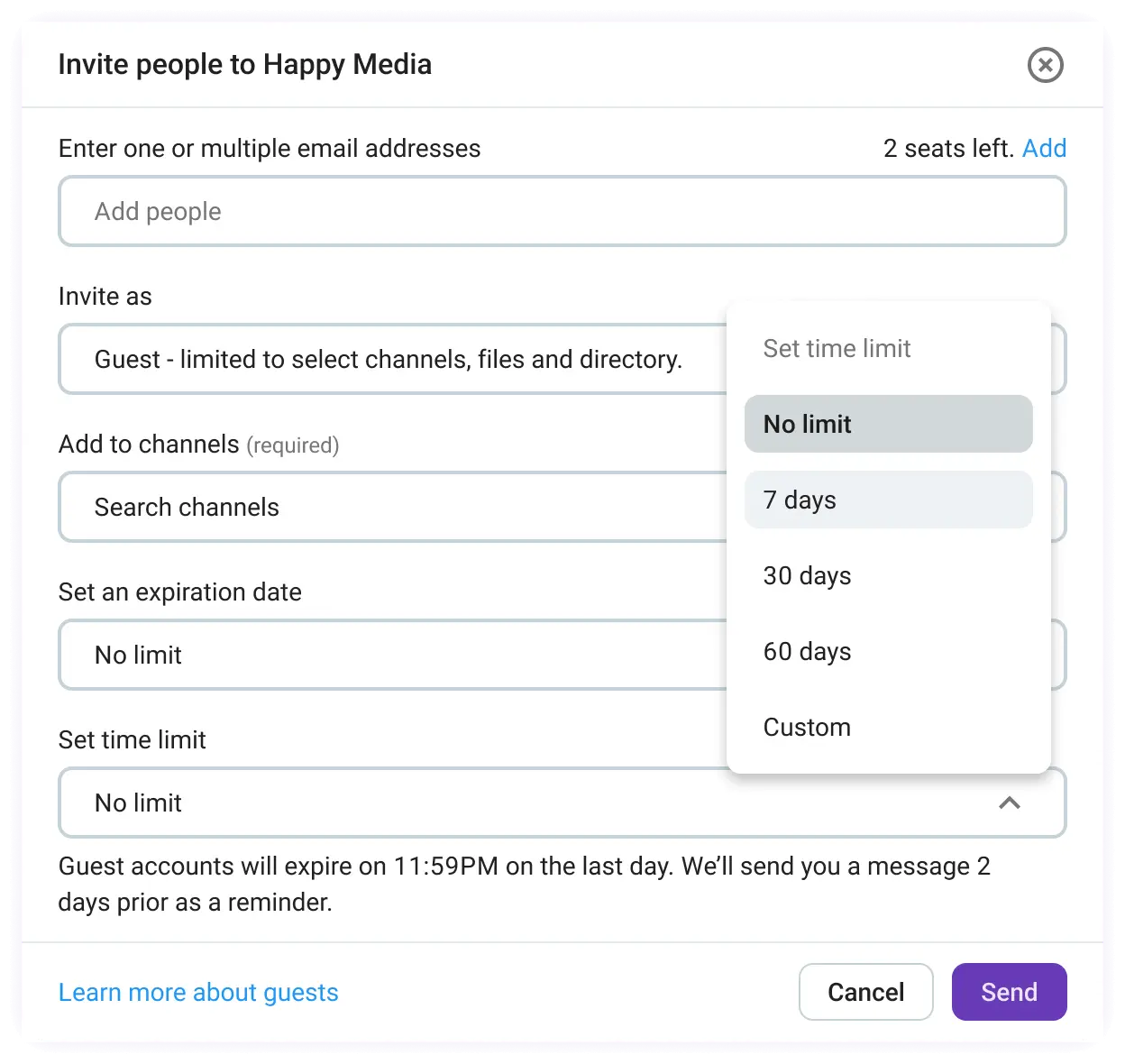
In a team communication app like Pumble, you can invite your clients to your workspace. With guest access, clients can be added to dedicated Pumble channels where they can share feedback and receive project updates, while customized guest roles let you control what they can see and do.
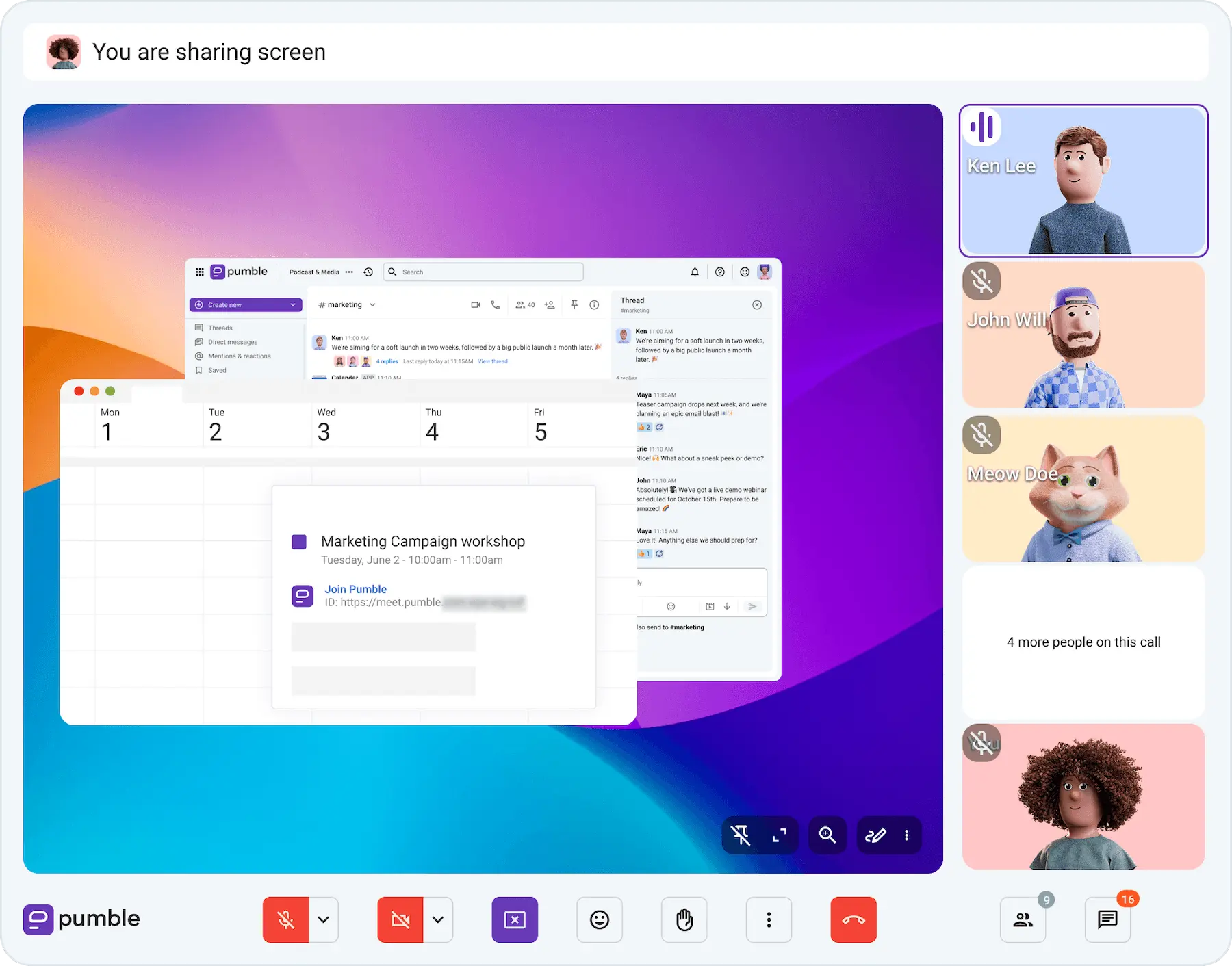
To accommodate different communication preferences, you and your guests can:
- Send text messages in channels or DMs.
- Make video or voice calls, with screen sharing for meetings and demos.
- Send video or voice messages for quick explanations and feedback.
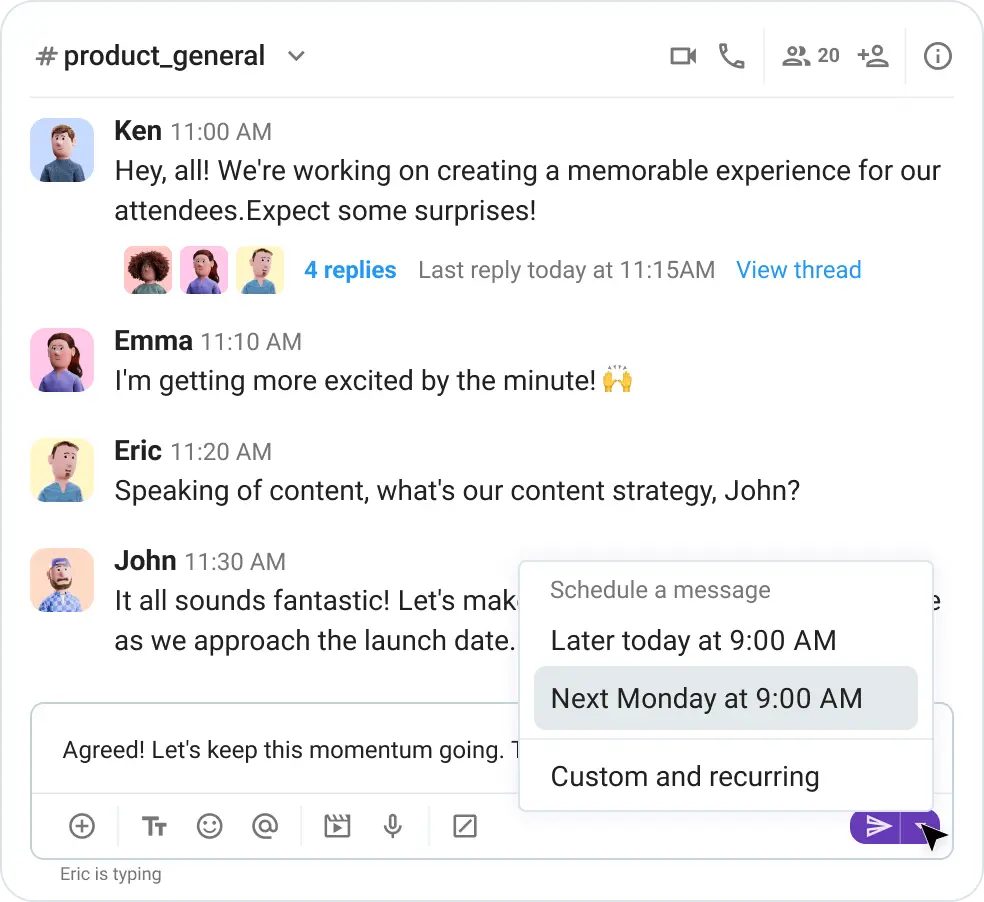
To stay on top of client needs, use Pumble reminders to ensure you return to important messages or follow-ups later.
You can also schedule messages to send updates at times that work best for your clients and use the Pumble mobile app on the go to respond to client messages promptly.
You’ll have no trouble finding past conversations and shared files in your Pumble workspace, thanks to its free unlimited message history for all users. This gives your team a reliable record of past discussions, decisions, and client feedback.
With Pumble, transparency, responsiveness, and client satisfaction comes easy, helping you build lasting partnerships rooted in trust and efficiency.
How we reviewed this post: Our writers & editors monitor the posts and update them when new information becomes available, to keep them fresh and relevant.